ILF Samanvay 2016: Language as Public Action
If we think about language as a concept we come to an endless world of abstraction. From the first formations of sound as a tool for communication to get to their structure as the definition is given today altogether is a journey of a fascinating and often a not so happy process of human evolution.
As definition Encyclopaedia Britannica says: “Language, a system of conventional spoken, manual, or written symbols by means of which human beings, as members of a social group and participants in its culture, express themselves. The functions of language include communication, the expression of identity, play, imaginative expression, and emotional release.”
Literary artists work with its functions, in all aspects, entwining different roles and sometimes affect the conventions of a language in its spoken part. The artist who normally engages his/her self in the abstract part of it can also change the way it is written or spoken. In modern Bangla, Bharatchandra Ray created many of the proverbs that we use today. In 20th century many a time we saw poets and writers as political protagonists. Pablo Neruda wrote verses for illiterate miners.
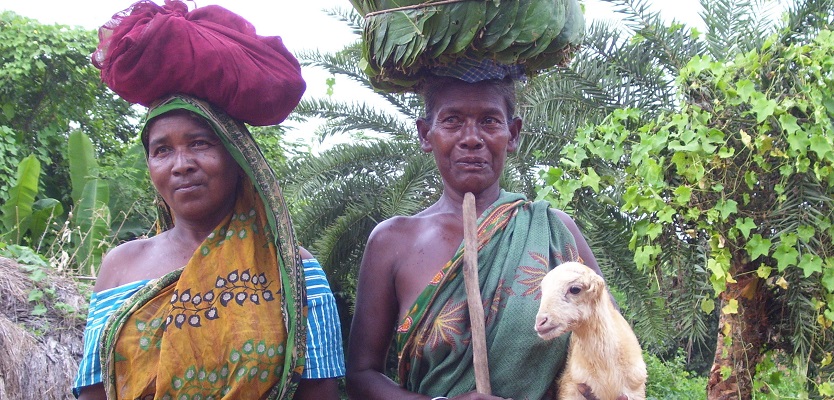
© Bhaswati Thakurta
In our century the scenario is more complex, or probably it is in a retroceding stage, and we all have to learn from the history. We all have understood that the vague rhetoric of conventional politics does not get along well with the artistic language. Moreover in our time the battle has many fronts and none of them is quiet. Somewhere we find the lack of polity and in some other place we face the huge all-devouring animal called the market, which does not differentiate one value from another.
In our time, language has the responsibility to encounter these fronts and create its own space thus rediscovering itself as true public action.