Palimpsests in Brick and Mortar
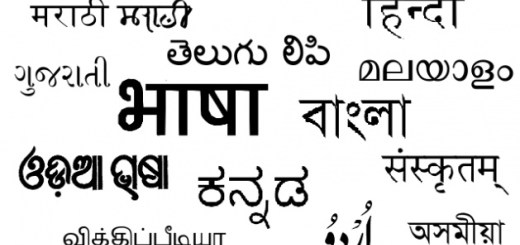
I’ve often wondered about and been deeply intrigued by the casual graffiti one gets to see ever so often in public monuments. In an almost atavistic act, one etches, on walls and domes, a plethora of names, signs and symbols, some of these linguistic exhibits so huge they can be seen from afar.
Why are they there? Are they simply products of random midday ramblings? Open declarations of love or secret yearning perhaps? Are they markers of presence or absence; a suffering in silence? In contrast however there also seems to be this sense of clamour about it that is craving for attention. To be seen, heard and felt. They seem to suggest a state of flux, of trying to process miscast impressions; of finding or creating parallels. Are these ways of envisaging inclusivity, of initiation into a new way of seeing, reading and feeling? This record of subliminal tension seems to be a by-product of the pressure felt through time and change on one’s stability and settledness.
And why are they there? Of all the walls they could be adorning, they somehow seem to find themselves on these edifices from the past. In addition to offering much needed reprieve and respite they also become the breeding ground for these personal experiments. The canvas of the monument seems to be ever widening, accommodating within its ramparts narratives and secrets of many styles, shapes and sizes. In effect they become bigger than themselves and assume unintended meanings. The act of writing something personal and private entails a certain level of trust and security. New associations get forged. Words begin to connect the ‘person’ to the ‘place’.
The public and private realms are pitted against one another. Or are they in fact occupying a new realm, that of the facade? However, unlike the deadening Botox that several old buildings are faced with these days, the monuments are written over and over with personal anecdotes and histories, shifting their character and piquing curiosity at every juncture. The facade bridges the historical fabric of the monument with the ever-changing aspirations and frenetic pace of today’s society. They are no longer sentinels of a bygone era. Instead they become mediators in enabling and shaping new ways of perceiving, thinking and performing.
Yet these facades are short-lived, until the monument comes under the radar, for having strayed from its ‘original’ and ‘true’ self. It gets washed and dabbed over by layers of fear and insecurity. Far from being anywhere close to its original self it assumes a new form that is distant, foreign and disengaged. It is stripped of voice, vision and vocabulary and is painted over with a dull seriousness, aiming for propriety yet almost always falling short.
But with time fencing comes undone, grills rust, paint starts to peel and clumps of plaster begin to fall. Rain and sun heal the dampened spirits and life begins to seep back in. The walls wait anxiously to hear the secret stories bubbling away in the minds of restless lovers nearby.